

How you can back the campaign, and make your voice heard
-
Write to your MP using our template.
-
Sign or promote the parents’ letter.
-
Sign or promote the clinicians’ letter.
-
Sign or promote the LGB letter.
-
Tell friends or family why you oppose the bill and ask if they will join you.
-
Submit a personal story – you can do this publicly or anonymously, in complete confidence.
-
Download and share our Simple Explainer.
-
Make a one-off donation.
-
Set up a monthly donation.
-
Follow us across social media – and share our messages
MPs and peers: Why LGB Alliance opposes the Bill – and why you should too
You might be wondering why an organisation rooted in protecting the lives and rights of lesbian, gay and bisexual people is opposed to a Bill that claims to ban conversion practices.
The answer is simple. We believe abusive practices should be dealt with firmly. But this Bill risks making it harder for parents, clinicians and young people to talk honestly about same-sex attraction, distress and identity. It could place ordinary care, exploration and reassurance under legal suspicion.
Parliament should reject the Bill. Here is what you can do.
If you only have a moment
Read the LGB Alliance briefing – See the central concerns in plain English with questions you may want to ask your colleagues. You can read it here.
Meet someone affected by the Bill – We can arrange a conversation with an LGB person, a parent of an LGB young person, or an LGB detransitioner.
Write to the Minister and Joint Committee – Ask them to withdraw the Bill, or at the very least explain how it will protect ordinary conversations, exploratory support and young people who may grow up gay.
If you have more time to give to one of the most consequential issues facing LGB people and their families, please consider taking some of the actions below. We would be very glad to support you with briefings, evidence, introductions and lived experience. Where appropriate, we would also love to share that you are taking action on behalf of lesbians, gay men and bisexual people. You can contact us at rebecca.cobb@lgballiance.org.uk
Listen and engage
-
-
Meet with our CEO for a 1:1 discussion on the bill.
-
Meet LGB constituents and LGB Alliance team members.
-
Meet parents of young people who may grow up LGB.
-
Meet LGB detransitioners.
-
Meet clinicians, therapists, lawyers and safeguarding professionals.
-
Attend an LGB Alliance briefing or event.
-
Watch the campaign interviews and testimony clips.
-
Ask for a tailored briefing on the Bill’s effect on LGB people, parents, or LGB detransitioners.
-
Take a public position
-
-
State publicly that the Bill should be withdrawn or rejected.
-
Sign an open letter opposing it. Are you a parent? Are you a health practitioner? Are you lesbian, gay or bisexual?
-
Follow LGB Alliance across social media and share our material.
-
Publicly support the right of young people to hear that it is okay to be gay.
-
Publicly support parents’ right to discuss sexuality and distress with their children.
-
Publicly support clinicians’ ability to explore, rather than affirm by default.
-
Give interviews or write articles explaining their concerns.
-
Speak at an LGB Alliance event.
-
Take parliamentary action
-
-
Write to the Minister asking the Government to withdraw the Bill.
-
Write to the Joint Committee setting out concerns.
-
Encourage the Joint Committee to call LGB people, parents, clinicians and LGB detransitioners as witnesses.
-
Submit written evidence to the Joint Committee.
-
Ask written parliamentary questions.
-
Ask oral questions of ministers.
-
Raise the Bill in debates.
-
Make a speech setting out the LGB case against the Bill.
-
Seek a meeting with the responsible minister.
-
Seek a meeting with the Prime Minister or Number 10 and invite LGB Alliance and people who will be affected by the bill.
-
Ask the Government to publish its evidence for any claimed gap in existing law.
-
Ask ministers how the Bill will protect ordinary parental, clinical and therapeutic conversations.
-
Ask ministers how it avoids treating same-sex attraction as something to be converted away from.
-
Influence colleagues and the scrutiny process
-
-
Circulate the LGB Alliance Conversion Practices Bill briefing to colleagues and parliamentary staff.
-
Encourage colleagues to meet affected people before taking a position. We can help to make this happen.
-
Raise concerns in party groups, caucuses and internal policy meetings.
-
Refer colleagues to LGB Alliance evidence and witnesses.
-
Correct inaccurate claims made during debate or scrutiny.
-
Support fair, LGB-focused witnesses and evidence being heard.
-
Where they sit on the Joint Committee, pursue detailed clause-by-clause scrutiny.
-
Ask whether the Bill adequately protects parents, exploratory therapy, LGB detransitioners and children who may grow up LGB.
-
Legislative outcome
-
-
Oppose the Bill at every stage.
-
Vote against it.
-
Encourage the Government to withdraw it.
-
If withdrawal does not happen, press for substantial changes that remove the identified risks.
-
Abstain rather than support it if they cannot yet vote against it.
-
Decline to promote, sponsor or publicly champion the Bill.
-
We went to parliament
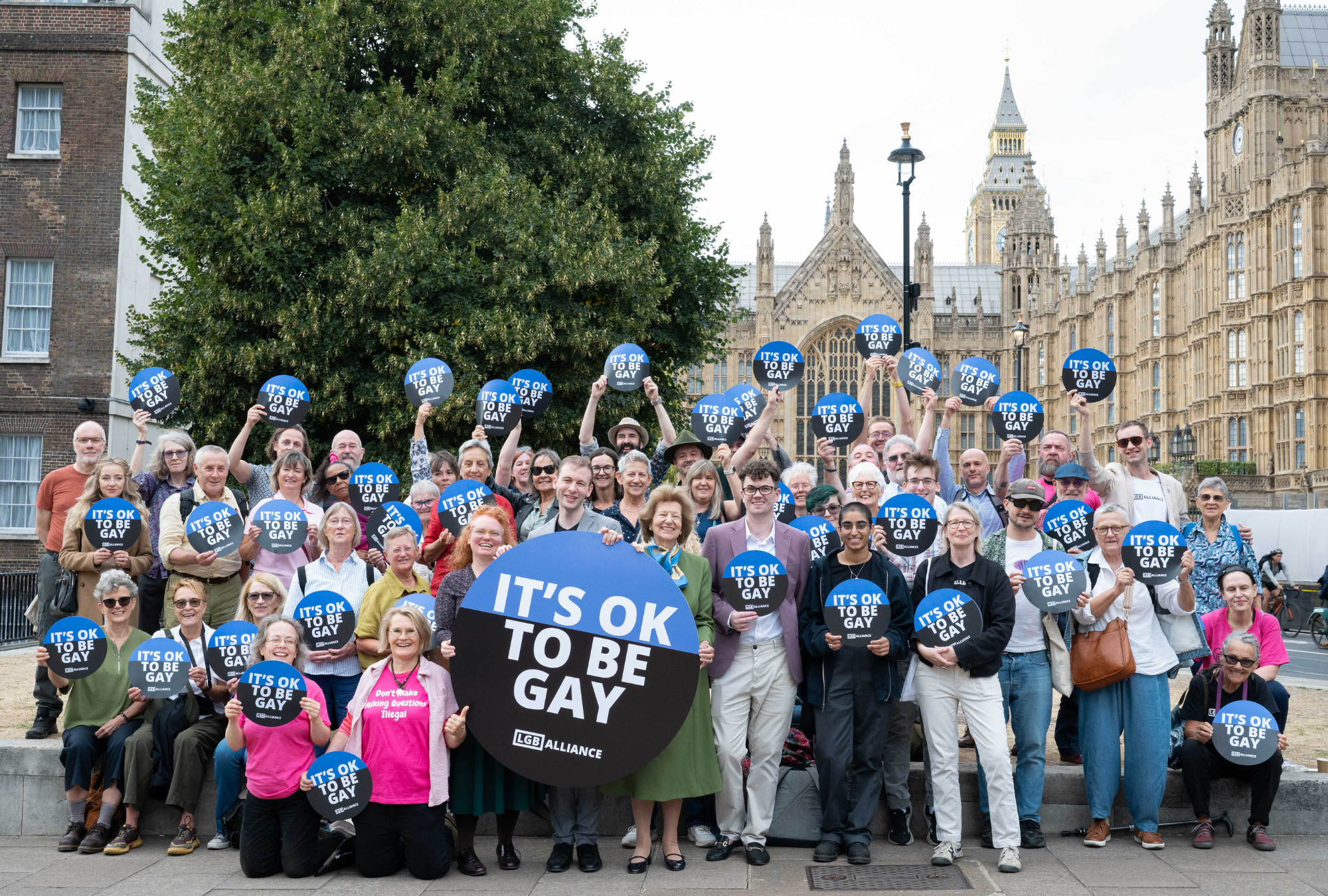
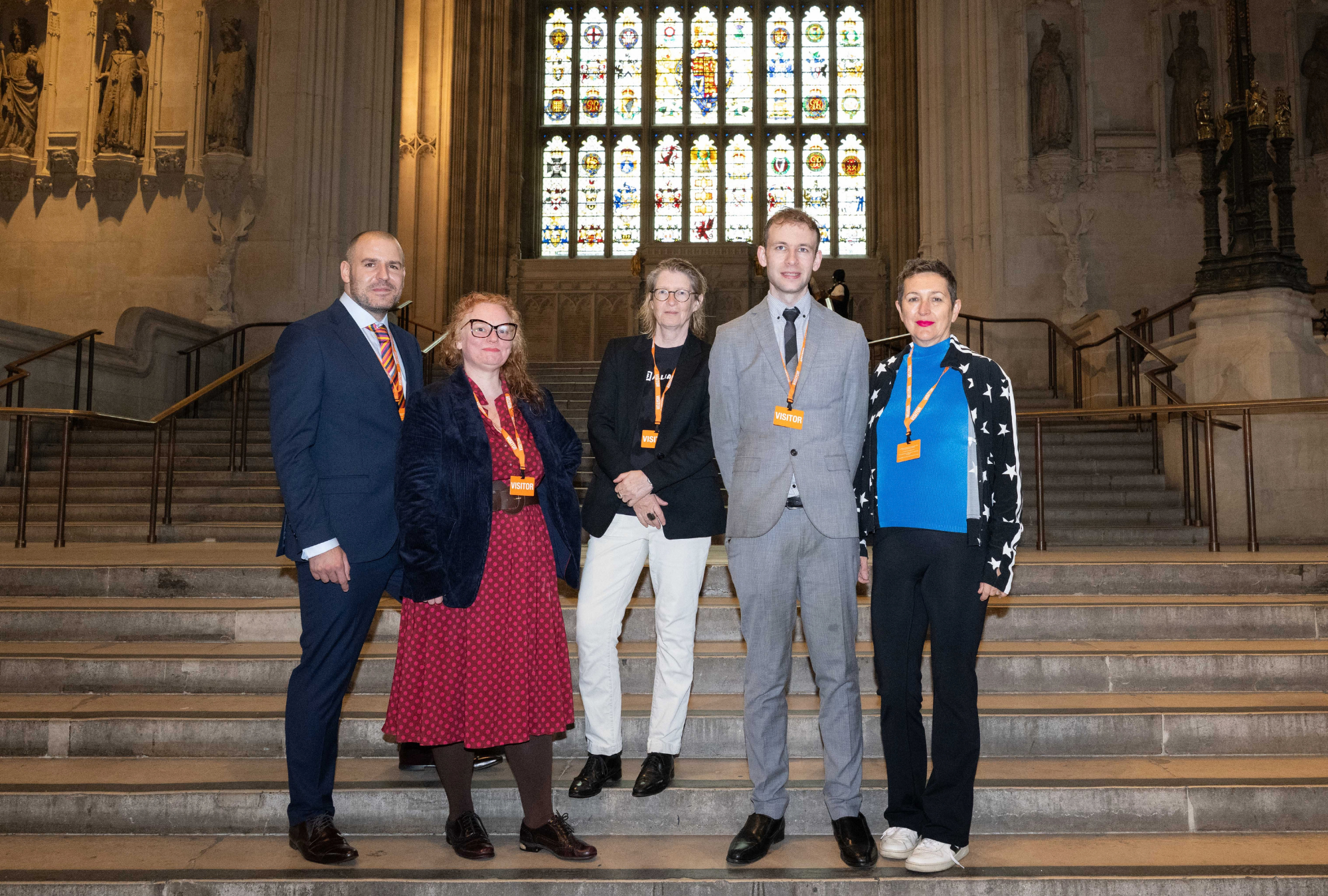
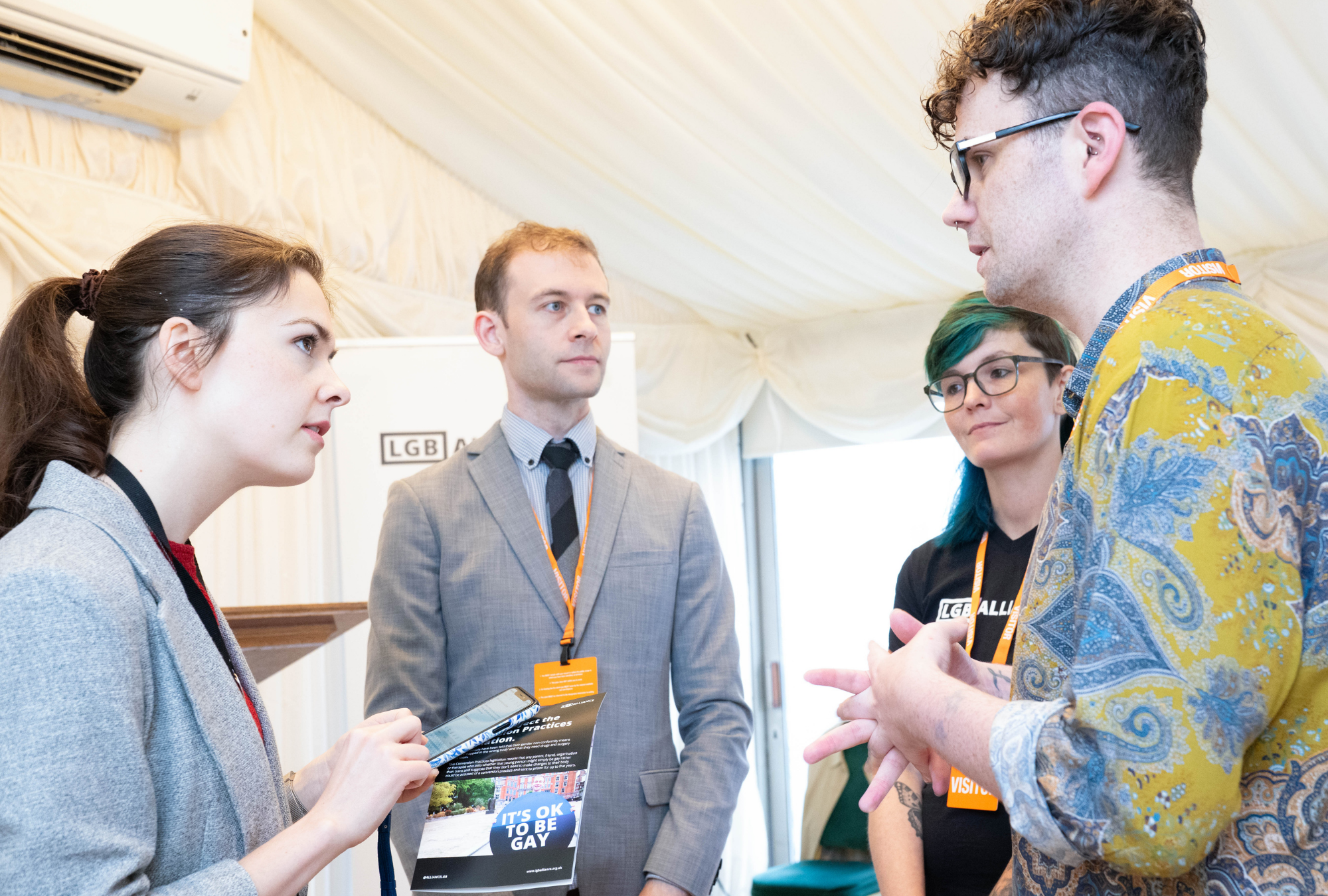
Lesbian, gay and bisexual people, parents of young people who may grow up LGB, LGB detransitioners and clinicians came to Parliament to explain why this Bill must be rejected.
You might be wondering why a charity founded to protect the lives and rights of LGB people opposes a Bill to ban conversion practices. We’re far from alone in our opposition, and the answer lies in what this Bill could do to ordinary, honest conversations about being gay.
What we did
-
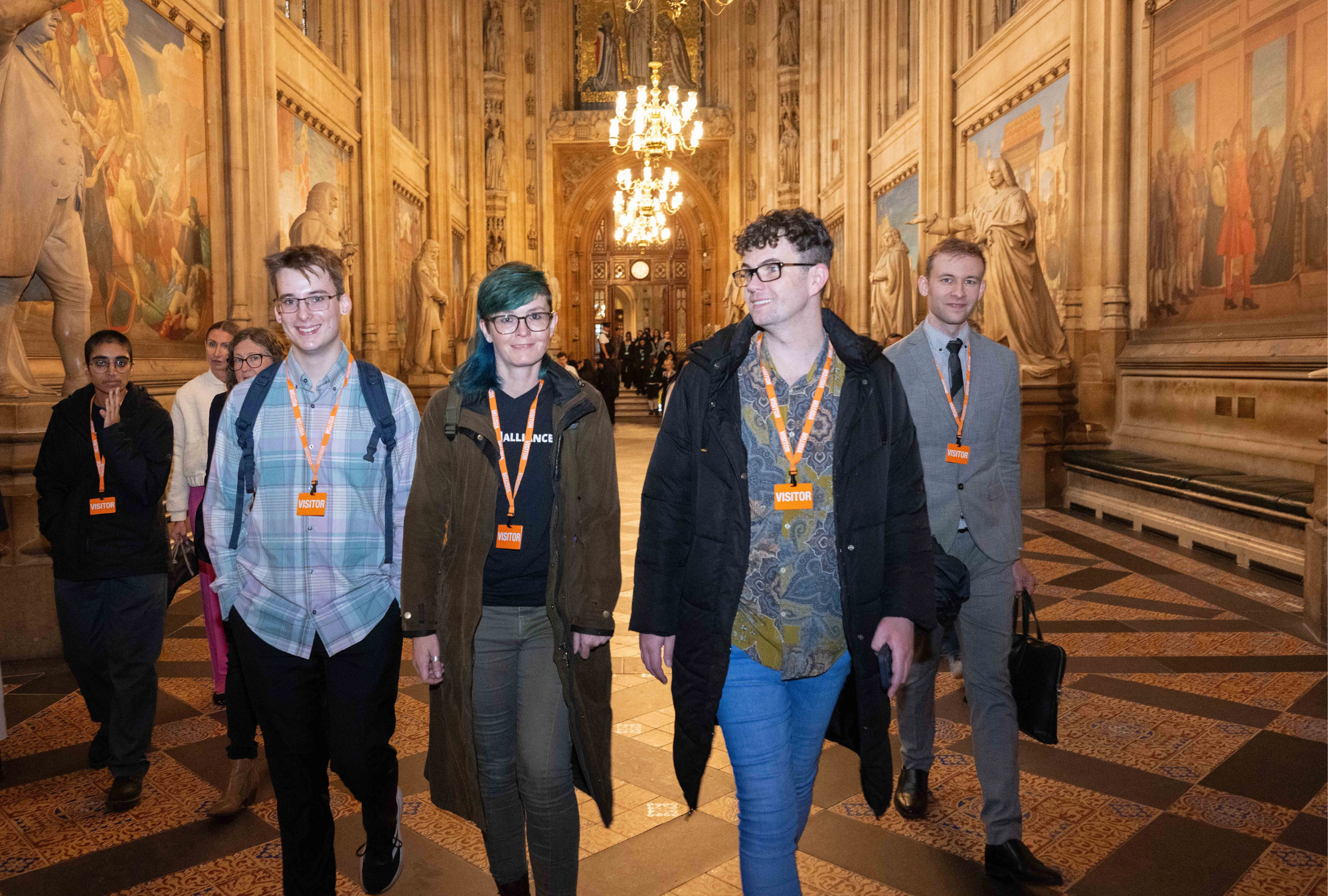
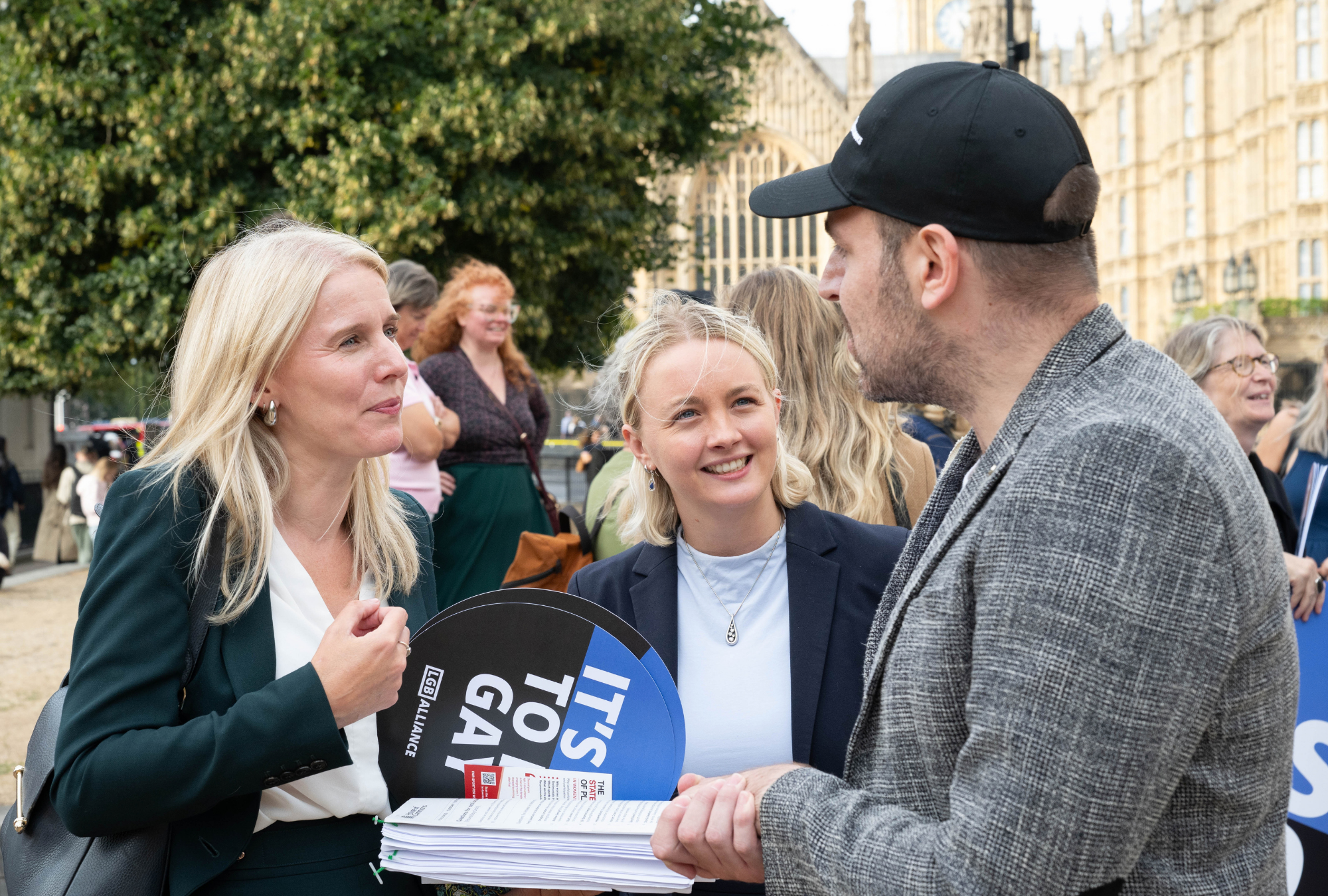
- Brought lesbian, gay and bisexual people to Parliament to Green Card their MPs and make the LGB case against the Bill directly.
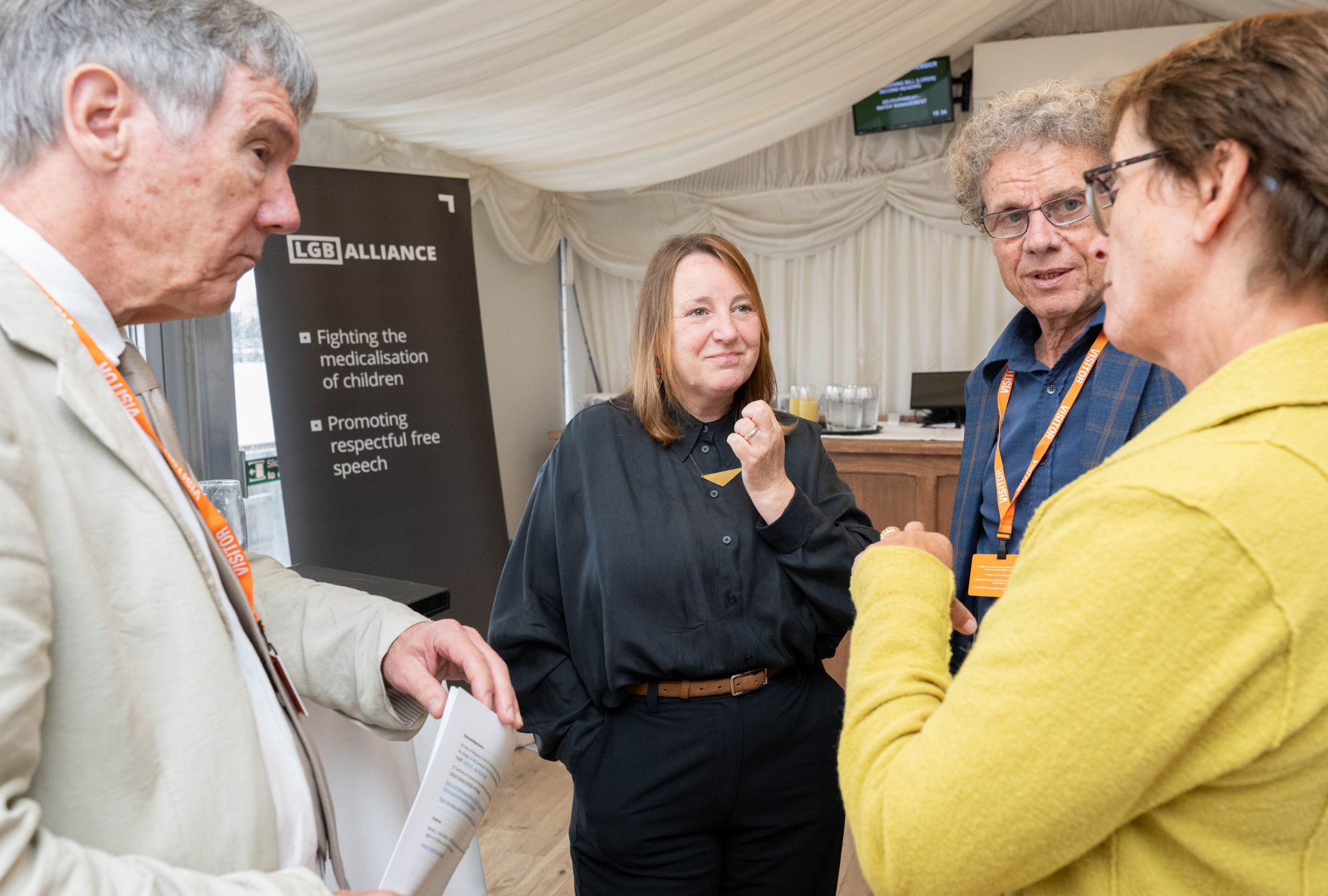
- Held a Commons drop-in where LGB people, parents, detransitioners and clinicians spoke with MPs and peers.
- Made the case publicly that young people deserve to hear that it is okay to be gay.
What we achieved
-
- Seventy-five supporters came to Parliament and Green Carded their MPs, opening up many conversations on the day and substantial follow-up afterwards.
- Held a parliamentary drop-in which gave MPs and peers the chance to hear directly from LGB people, parents, clinicians and detransitioners.
- Took the LGB case against the Bill to a cross-party parliamentary briefing ahead of the formal appointment of the Joint Committee.
- Put the concerns of LGB people, and young people who may grow up LGB, firmly into the parliamentary conversation before scrutiny begins.
What happens next
Going to Parliament was the start, not the finish. We are building public pressure so MPs understand that many lesbian, gay and bisexual people oppose this Bill. We are gathering evidence from LGB people, parents and detransitioners for the Joint Committee. And we will keep meeting parliamentarians directly, bringing the facts, legal analysis and human stories they need to reject it. The gay case against this Bill must be heard clearly, repeatedly and in time.
Talking Points for Your MP
OUR CENTRAL ASK
Please oppose the Draft Conversion Practices Bill in its entirety. Abuse should be punished under existing law, without creating a broad new offence that could criminalise parents, deter therapists and make it harder for children to understand that it is OK to grow up lesbian, gay or bisexual.
KEY POINTS
-
- Violence, sexual assault, coercive control and other genuinely abusive conduct are already punishable under existing laws.
- The Bill uses broad, undefined ideas such as emotional pressure, psychological pressure and economic pressure.
- There is no clear protection for parents, teachers, friends, religious ministers or ordinary conversations.
- Protection orders could be imposed without a criminal charge or conviction and could restrict how a parent speaks to or cares for their child.
- The Bill could make affirmation appear legally safer than careful exploration for those on the frontline – particularly when supporting children who do not conform to sex stereotypes and who may grow up to be lesbian, gay or bisexual.
WHAT TO DO
-
- Oppose the Bill in its entirety.
- Write to the Minister for Equalities setting out your concerns and send you a copy of the reply.
- Make these concerns known to the Joint Committee scrutinising the Draft Bill and, once its call for evidence opens, submit them formally as written evidence.
- Ask the Government to identify precisely which abusive acts are currently lawful and why existing offences cannot be used or amended.
MORE DETAILED QUESTIONS
-
- What specific abusive conduct remains lawful, and why can any genuine gap not be addressed by amending an existing offence?
- How can a parent know when advice, boundaries or refusal to pay becomes emotional or economic pressure?
- Why is there no explicit protection for parents and ordinary conversations?
- Why can a Conversion Practice Protection Order (CPPO) be imposed without a criminal conviction, what restrictions could it place on a parent, and what prevents tactical use in family disputes?
- Why does criminal law need an open-ended definition of transgender identity?
- Who will shape the standards used to judge clinicians, how will ideological capture be prevented, and how will exploratory therapy be protected?
- What assessment has been made of the effect on children who may grow up lesbian, gay or bisexual?
- Will you oppose the Bill and write to the Minister for Equalities on my behalf?
You might think this Bill only punishes serious harm
That threshold applies to conviction for the main offence. It does not remove the uncertainty created by undefined forms of pressure. Nor does it prevent complaints, investigations, safeguarding referrals, professional proceedings or applications for CPPOs. People will change their behaviour to avoid those risks, even if very few cases ever result in conviction.
What you can say to your MP
You do not need to be an expert to raise concerns about this Bill. Choose the points that feel most relevant to you, explain why they matter, and use your own experience where you can. A personal message is far more likely to be read and remembered.
Download our in-depth guide for more: Talking Points for Your MP – Conversion Practices Bill
Please ask your MP to reject this Bill, meet people affected by it, and explain publicly how they will protect young people who may grow up LGB.
Tell your MP why they should reject the bill
The Draft Conversion Practices Bill could make it harder for children and young people to realise and accept that they may grow up lesbian, gay or bisexual.
There has never been a better time than right now for you to write to your MP or ask to meet them.
Use our template to ask your MP to reject the Bill and write to the Minister and Joint Committee explaining why.
Lesbian, gay and bisexual people speak out
You might be wondering why an LGB organisation is opposing a Bill to ban conversion practices. Here is why.
LGB Alliance exists to protect the lives, rights and interests of lesbian, gay and bisexual people. We know that attempts to shame, coerce or pressure people out of being gay are cruel and wrong. Abuse should be dealt with firmly.
The abuse people commonly mean when they talk about conversion practices is already illegal. Assault, threats, harassment, sexual offences and controlling or coercive behaviour are already against the law. They remain against the law when the victim is lesbian, gay or bisexual. The question for Parliament is whether this Bill will stop abuse without putting ordinary, caring conversations under legal suspicion. All the evidence tells us it will not.
If you are lesbian, gay or bisexual, please sign and share our open letter to the Prime Minister. It asks him to reject the Bill in its entirety and not use our lives as an excuse to interfere in family life and professional relationships.
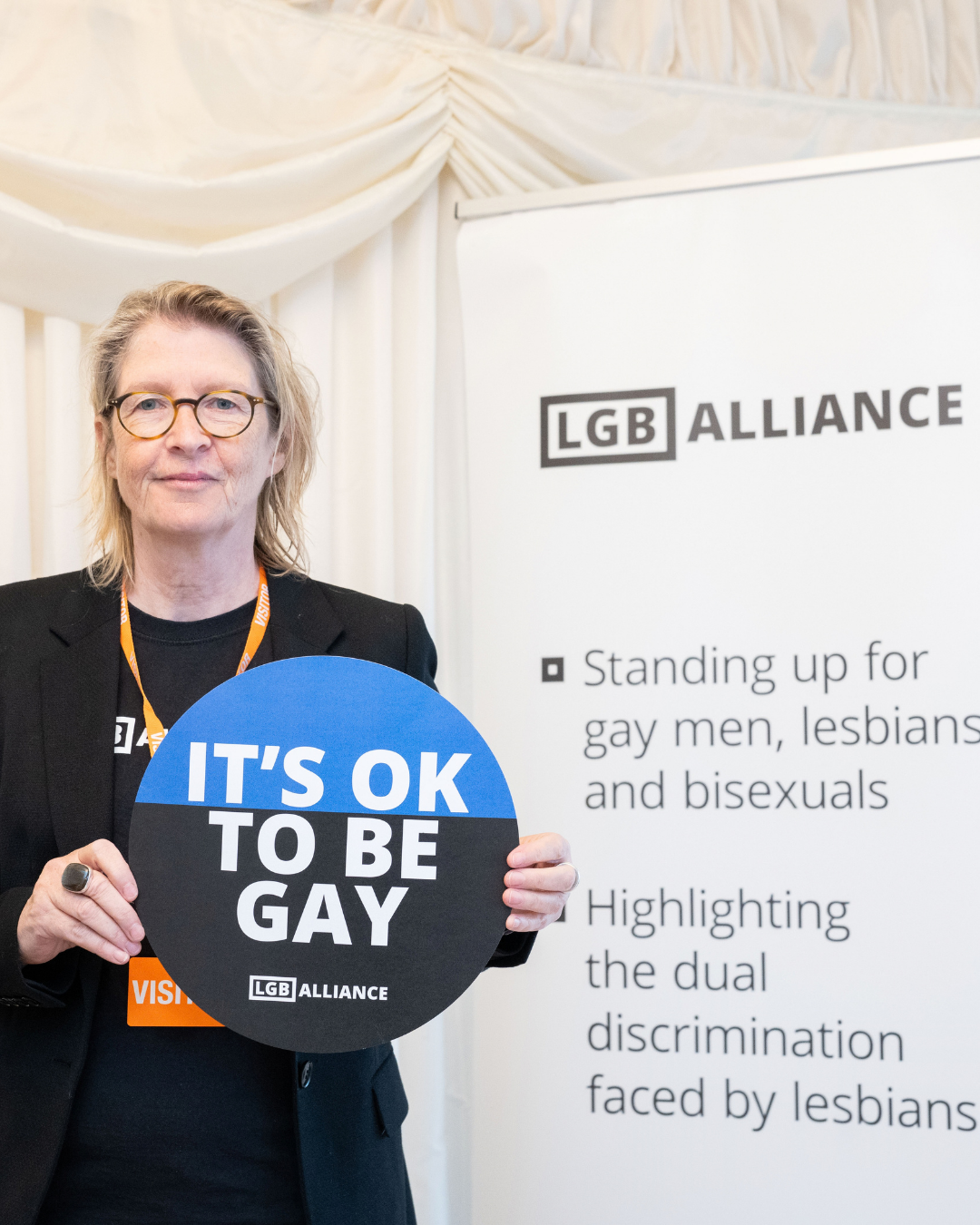
Parents will be afraid to reassure a child who is struggling that it is okay to be gay.
The Bill will make clinicians and therapists afraid to ask the basic questions that can help them understand why a young person is distressed. Is it anxiety, trauma, autism, body image, bullying, family problems, same-sex attraction, or something else? Instead, they may feel pressure to treat a young person’s stated gender identity as the only answer.
It will make it harder for young people to have the time and space to work out who they are.
Same-sex attraction is not something to be converted away from. Yet some young people who feel unhappy in their bodies, anxious, lonely or different may be told that this means they are transgender, before anyone has properly explored what else might be going on. That can mask serious safeguarding concerns, including abuse, trauma, bullying, poor mental health or family difficulties.
And it can stop a young person recognising a simpler truth: they may be growing up gay.
Parents should be able to talk openly with their children. Clinicians should be able to explore, listen and ask careful questions. Young people should be free to discover that they are gay without anyone fearing that honest support will be treated as wrongdoing.
Parliament should reject this Bill. It must hear from LGB people, their families and the professionals who work with them, who understand what will be lost.
Kate Barker, LGB Alliance CEO
Sign the open letter
If you are lesbian, gay or bisexual, add your name to our open letter to the Prime Minister. Tell him to reject the Conversion Practices Bill and protect gay people from abuse without making it dangerous to speak honestly about homosexuality.
Share your experience
Have you been affected by pressure to treat same-sex attraction as a problem, or by the fear that ordinary conversations will become suspect? Whether you are LGB, a parent, clinician, therapist, detransitioner or someone else with relevant experience, your story can help Parliament understand what is at stake.
Stories can be shared publicly, anonymously or in confidence: rebecca.cobb@lgballiance.org.uk
Your story
Please tell us what happened, why it matters to you, and what you would want MPs to understand. You can write as much or as little as you wish.
LGB Detransitioners speak out
Hear powerful and deeply moving stories from young people who were harmed by the unquestioning affirmation of their trans identity by friends and professionals.
The real purpose of Conversion Practices legislation is to create an affirmation-only landscape and to criminalise anyone who asks whether a young person who is struggling might simply be gay.
Read Nicky's story
I grew up severely abused with intense dissociation around my body. I hated all parts of me that made me female – my breasts, my hips, my genitals.
I never had community until I found the trans movement online. Suddenly, my hatred for my body had a name – I hate being a girl and therefore I am a boy. It all fit together. The gender dysphoria I had experienced since the beginning of puberty all made sense. I thought transition would solve all my problems.
Due to my childhood abuse, I had mental health issues present practically all my life. Despite this, I managed to get a HRT prescription before any psychological intervention. When I was first prescribed testosterone. I thought it was my ticket out – start a new life and forget everything that came before. But my childhood quickly caught up to me. After multiple psychiatric hospitalisations, I was diagnosed with Dissociative Identity Disorder – a disorder involving the presence of multiple identities within me, each with their own lived experience of our life and all with varying degrees of traumatic life experience. My whole perspective on life changed. I had never been just one person, but a collection of identities each just trying to survive.
Getting this diagnosis made a lot of things make sense but also made me question my transition. I never had a sense of self and was clinging to any semblance of who I thought I was in hope that it would save me.
But transition did not save me. It left me with permanent changes to my body and health. Damage that could have been prevented if I received proper mental health care. Instead, all it took was a 10 minute appointment with a counselor and no direct communication with a doctor to prescribe life-altering gender treatment that has permanently changed my life.
Read Jo's story
I was 19 years old when I started transitioning.
Before then, I was a care-free and adventurous child who loved to play football and climb trees.
My distress began in my teenage years. It began with the same problems many young women battle with – body image issues, eating disorders, being sexualised, objectified, being shamed for having a sexuality.
I was inundated by mainstream ideas of femininity that seemed so unnatural to me.
I also grew up in a homophobic culture with a complete lack of representation of lesbian and bisexual women. I felt alone, and at many times, conflicted by my same-sex attraction.
In my first relationship, my feelings of insecurity grew, and I started exploring transition. This was spurred on by my partner, who was attracted to men. I nosedived into transition social media content and suddenly thought I found a neat solution to all my problems.
I sought support from a gender specialist who immediately affirmed and encouraged me. The doctor’s experience, credentials, and confidence, instilled a sense of trust in me.
I left the appointment feeling like my thoughts of medicalising and believing there is something wrong with my body were not only legitimate, but that they were the ONLY explanation and solution to my distress.
It wasn’t long after my first experience with a specialist that I wholeheartedly adopted the belief that I am born in the wrong body.
Once I adopted this frame of reference, it became almost unshakeable. I held onto it as if my life depended on it, it truly felt that way amidst the confusion.
Transitioning brought me some relief.
Most of all, it felt like taking respite from being a woman in society. I could escape and hide. I was no longer sexualised and belittled on a regular basis. I was no longer perceived as a lesbian, and I did not have to confront the stigma and my internalised prejudice that came with it. My traumas around womanhood could be stored away in the backroom – out of sight, out of mind.
I felt like I could completely reinvent myself, start from scratch.
It was an alluring experience.
But I was aware that I was becoming a lifelong medical patient. I became consumed by planning surgeries. My whole life revolved around transition and finding ways to go against my body. At one point, I was applying hair loss treatments to my face and double binding every day, causing some nasty side effects. This was before having irreversible surgery.
As I matured, all the beliefs which made me transition, fell apart. I could no longer justify what I originally believed – I knew it’s impossible to be born in the wrong body.
It was more that I TARGETED my body as a response to trauma and society. Changing my body and identity were easier than confronting distress on deeper levels.
It was through educating myself, hundreds of hours of self-reflection, therapy, time in nature, and a loving relationship in which it was okay to question, that I fully broke out of gender ideology. I built a community of people in which nonconformity is truly accepted, not pathologized. I learned how to accept and appreciate my biology and its natural cycles. I became so grateful to just let my body do what it was meant to do.
Many LGB detransitioners oppose this Bill because it risks making honest questioning feel dangerous. They know what can happen when same-sex attraction, distress or uncertainty are treated as proof that someone must be transgender. Young people need adults who can listen, ask careful questions and help them explore every possibility. This Bill will make that harder.
“When I was struggling, I needed people around me who would take the time to ask what was really going on. I needed space to question, to change my mind and to talk honestly about the challenges and trauma I was facing as a gay man. That is not abuse. It is care.
This Bill will make people frightened to have those conversations. Parents, therapists and clinicians may feel that asking a difficult but necessary question could land them in legal trouble. The result will be less honesty, less exploration and fewer chances for young people to find their way without being pushed down a path they later regret.”
— Michael Kerr, Detrans Pathway UK CEO
Parents speak out
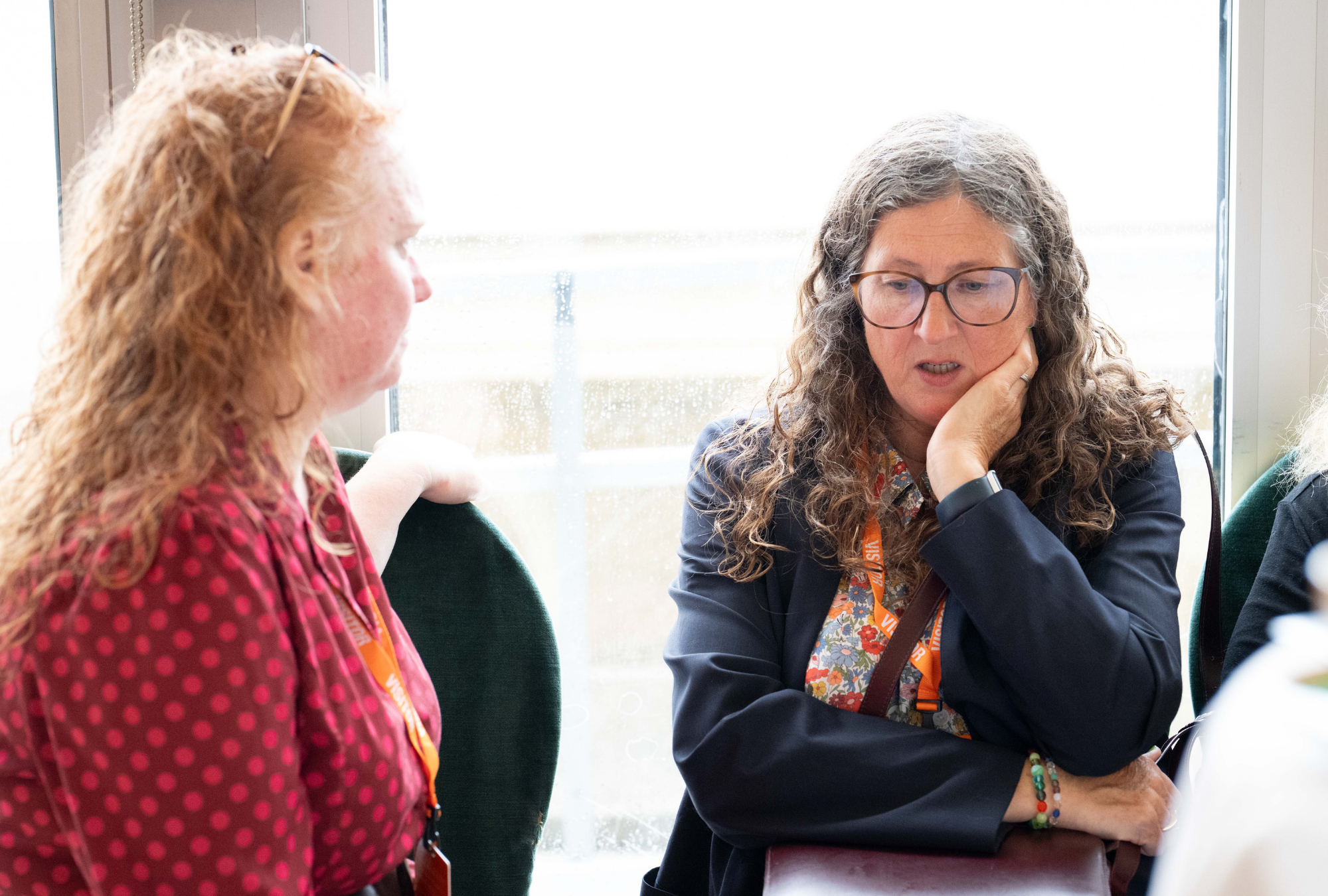
Parents are concerned because this Bill reaches into the family home.
Parents are not abstract commentators in this debate. They are living with a child who may be frightened, withdrawn, angry or suddenly unfamiliar to them. They are trying to keep that child safe, to understand what is happening, and to protect them against all odds.
Some can see that their child may be lesbian, gay or bisexual. They want to protect that possibility, not see it ignored, medicalised or pushed aside. This Bill will make parents afraid to ask questions or speak honestly when their child needs them most. Their voices belong in this debate because they know their children best, and they will live with the consequences if Parliament gets this wrong.
Read Penny's story
Parents who have lived through these experiences often describe feeling that there was little space for uncertainty and a great deal of pressure to get on board.
One mother, who we’ll call Penny, described watching her daughter become increasingly distressed during adolescence before eventually coming to believe that she had “really always been a boy” after an intense period of saying she was a gay man.
Penny does not claim to know exactly why this happened and like many parents in similar situations, looks to a range of possible influences, including family crises, lenient internet access, sexuality, mental health, friendship groups, social influences, and wider emotional distress. In fact, prior to her daughter’s announcement, Penny had asked the school to put her forward for assessment for autism. The school was strangely reticent to explore that line of thinking, but were quick to affirm the chosen gender, and to change her name on the register.
“What troubled me most was the growing sense that these questions could no longer be asked,” says Penny “And the hostile response, and closing of ranks, by those with whom I trusted the education and welfare of my daughter.”
Expressing reluctance to affirm her daughter’s new identity, she increasingly found herself portrayed as the problem. Professionals and others in positions of trust and authority became involved in matters that should have remained within the family.
School staff increasingly adopted an advocacy role rather than a neutral or safeguarding one. Her daughter’s name was changed at school after Penny was invited to attend an all male meeting with the headteacher, the deputy head, and her ex-husband – and it was apparent that previous discussions between the three had already taken place, with a united front being presented on what was best for her child. After her daughter went missing from school for an entire day, without Penny being notified, the police attended her home and corrected the language she used to describe her own child.
She felt that her attempts to protect and understand her child were increasingly viewed with suspicion. How could everyone be so very certain that the child she had carried and cared for had always been a girl? Including professionals who had only known her for at most a year?
The consequences have been profound and long lasting. More than six years later, she remains involuntarily estranged from her daughter. Her elderly parents fear they may never see their granddaughter again.
Reflecting on those events, Penny describes this outcome as a deep and enduring sadness, but says that it is still “eminently better than what might happen under this law.”
As she explains:
“I have already paid the highest price imaginable for following my conscience as a parent. I lost my daughter. That pain remains with me every day. Under the proposed legislation, parents in my position could face criminal investigation and up to five years in prison just for asking questions, expressing concern or believing that their child may be a young lesbian struggling with distress, rather than a boy.
Do we really want a society in which thoughtful and cautious parenting could be treated as abuse and honest disagreement as a crime?
Parents should not face imprisonment, or any sanction, for refusing to affirm beliefs they do not share, actively believe to be damaging to the future health and happiness of their child, or for wanting them to have the time and space to explore who they are. At the end of the day, I want her to have the freedom to live her life to the fullest, presenting as she wishes, achieving all she dreams of. I know my daughter to be perfect just as she is – healthy and whole.”
Penny’s experience illustrates a wider concern expressed by many parents and clinicians that uncertainty surrounding the law may further discourage open family conversations and make professionals increasingly reluctant to undertake careful exploratory work.
The history of conversion practices demonstrates the dangers of allowing institutions and authority figures to become too certain that they know who a young person really is.
Read Tish's story
Tish is philosophical about her son’s decision to cut her out of his life.
“If he’s happy, and if his happiness requires him to be distanced from me, then that’s what matters,” she says.
This statement is typical of Tish’s robustly unsentimental approach to discussing one of the toughest experiences a parent can go through. But as she tells her story, the trauma of losing her son becomes evident in the things she leaves unsaid.
Tish always had a close bond with her eldest child, the kind that goes beyond the superficial cliche of gay sons being close to their mothers.
“He came out to me as gay at 11, and all I said was ‘It’s not really a surprise, love.’ I’d always known. Then we just snuggled up and watched a film,” she says. That was one of their ‘things’: curling up to watching films and boxsets together. But while their home was a haven, Tish’s son wasn’t having an easy time at school.
“My son was subjected to homophobic bullying, and the school handled it badly,” she says. “They tried to argue that calling someone ‘gay’ wasn’t a problem as the word had been reclaimed. But a child knows when a term is being used pejoratively. Then one of the girls called him a ‘faggot’. I went into the school and told them that I’d been warning them about this for months.”
Tish didn’t want her son to know that she’d “been in to bat for him”, and always encouraged him to find the inner strength to overcome obstacles in his path. This included small “peculiarities” such as mild OCD which, she stresses, didn’t impede his functioning day-to-day.
“I told him that I can’t remember left from right, and I can’t do maths when I run out of fingers, but this hasn’t stopped me managing multi-million pound contracts,” Tish says. “Maybe I’m old-fashioned, but I was trying to coax him not to give up, not to let himself be defined by his barriers — or by other people. But there’s an overwhelming pressure on young people to pathologise every idiosyncrasy, every difference. My son seemed constantly on the hunt for a diagnosis.”
When it came to secondary school, Tish purposely chose one further away from home so her son could escape his tormentors. Sadly, the bullying followed him. It was around this time that he started discussing a transgender identity.
“He had always been more interested in female company — all his friends were girls, the only music artists he liked were women — but he hadn’t ever expressed discomfort with being a boy,” Tish recalls. “Then, I remember him showing me some of the online influencers he followed, people like Lewis Hancox. I think he was preparing the ground for coming out.”
At 14, Tish’s son announced he was transgender. “We had a conversation about what he meant by ‘trans’,” says Tish. “He knew my position: I’ve always been a feminist, and I’ve never made a secret that I think trans identities are based on sexist and homophobic stereotypes.
“The thing I find hardest to get my head around is that young people are constantly criticising others for ‘cultural appropriation’ when it comes to music, food, fashion — but when it’s appropriating someone’s sex, that doesn’t seem to be a problem.”
Despite their differences, Tish and her son remained close. She told him she wouldn’t bring it up again if he didn’t want to, but that she only asked one thing: that she could send him information about the medical implications of pursuing transition. These include permanent sterilisation, diminished sexual function and the risk of developing meningiomas and multiple sclerosis. (Tish suffers from the latter condition herself; she has written about emerging evidence that males taking cross-sex hormones are seven times more likely to develop MS.)
“I just wanted to know that I’d done what I could to warn him of the risks,” says Tish matter-of-factly. “I didn’t expect him to read it. After all, what teenager listens to their mum?” But she was adamant she wasn’t going to help him get the drugs. “He just gave me a hug and said ‘OK, let’s watch a film together.’”
It was the week before Christmas when she found the hormones. As she cleaned the house for the festivities, Tish entered her (now, 19-year-old) son’s room looking for the vacuum cleaner. “I hardly ever went in there, I’ve always wanted to respect his privacy,” she explains. “They weren’t hidden. And I recognised from the packaging that I’d actually taken delivery of them without knowing what they were. He ordered a lot of things online and I was always signing for his parcels.”
Tish says the hormones were accompanied by a referral letter to the Tavistock, dated 7 November, confirming that the drugs would arrive “within six weeks”. As this was during the Covid lockdown, she says she can’t be sure he even had a face-to-face appointment.
Tish and her husband decided not to say anything, and to let their son tell them in his own time. Eventually, after weeks of waiting, she slid a note under his door. It simply said that while they didn’t approve of his taking hormones, he would always have a home with them.
“I never wanted him to leave,” says Tish. “He’s quite unworldly, never had a boyfriend. I was concerned that if he left home, he’d get sucked into groups and organisations that would prey on his vulnerability.”
Tish was particularly concerned that she did not drive her son into trans activist circles where he would be further indoctrinated, or worse, experience predation from older males in these groups.
Tish stresses that it wasn’t all doom and gloom. There were upswings — not least when her son got a job and befriended a young “very flamboyant” gay guy at work. They started looking for a house together; Tish helped him with the bond and stood guarantor for them both, even though she hadn’t met his friend.
But gradually the relationship deteriorated. “He accused me of being patronising by paying his friend’s share of the bond,” remembers Tish. He became more distant, and eventually there was a row when he failed to repay money his parents had lent him. This, says Tish, was completely out of character; he had always paid his debts.
As he distanced himself from his mother, Tish’s son turned to her sister and sister-in-law, who both affirmed his trans identity and used opposite-sex pronouns, against Tish’s wishes and without bothering to inform her.
“I’m not one of those who thinks I did nothing wrong,” she says. “I’m always asking myself whether I should have challenged his language more robustly. Should I have given him an ultimatum when I found those drugs?
“The only thing I wanted was to keep him safe. If I have been frightened of criminalisation, maybe I would have thought twice about talking to him about the reality of transition, about the complications and rates of regret. Maybe I wouldn’t have sent him those articles, and if he did eventually go through with transition, I’d always be asking ‘What if I didn’t do everything I could to warn him?’”
Tish says that the draft Conversion Practices Bill would put parents like her in an impossible position, because it would render them powerless to counter the misinformation about transition that their children are bombarded with, both online and off.
She points out that this information often comes from long-established organisations that parents have every reason to trust, including the NSPCC and its ChildLine service. (Tish has exposed a range of highly inappropriate and misleading information about sexuality and gender on the charity’s website in a series of devastating, in-depth blogs.)
“How many children are phoning up ChildLine or Mermaids and being told that being gender non-conforming means that they’re really trans?” asks Tish. “Or that being attracted to their own sex means they’ll be happier if they medicalise for life?
“Children are more likely to listen to affirming lies rather than uncomfortable truths. That’s our job as parents. Any law that makes it harder for us, that threatens us for setting loving boundaries and having difficult conversations, will devastate the lives of young people and their families.”
Read Jane's story
No one could accuse Jane of being anti-trans. As a counsellor and sexual health expert, she devoted eight years of her career to helping those living with HIV/AIDS, predominantly gay men and transgender people. “My life has taught me not to hate anyone, for any reason,” she says firmly. But she’s equally adamant that she won’t be forced into agreeing with things she doesn’t believe.
“Healthcare providers have to think critically and weigh up the evidence, and it’s no different for counsellors,” says Jane. “So when the trans rights movement started to gather pace and the number of people identifying as transgender began skyrocketing, I read voraciously, on both sides of the argument.
“It was never a case of ‘for or against’. It’s obvious that some people suffer from gender dysphoria, that their distress is real and often profound. Still, I was circumspect about young people’s desire to transition; I had questions about why so many people are suddenly discovering a trans identity in adolescence. I wondered if there could be other factors beyond the ‘born in the wrong body’ narrative, which always seemed more like an article of faith rather than an evidence-based claim.”
Jane also questioned why the trans rights movement was so dominated by adult males (‘transwomen’). She kept all these concerns to herself. When her own daughter announced — completely out of the blue — she was transgender, Jane saw her suspicions proven true in the most shattering way imaginable.
“She started expressing a transgender identity in early puberty, after she began spending a significant amount of time online,” says Jane. “I didn’t want to jump to conclusions, to assume the two factors were linked. But I wanted to understand the world she inhabited, the water she swam in.”
Jane created multiple fake social media accounts, to shadow her daughter and see what kind of content she was viewing as she explored her sexuality and identity.
“It was indescribably dark. Horrific. There was the graphic stuff: the photos of mastectomy scars, the videos of teenagers injecting cross-sex hormones. They are rendering themselves permanently sterile, unable to have a child, when they’re barely out of childhood themselves.”
But worse than that, she says, is the advice about keeping things like breast binders secret from your family, and what to do if your parents don’t support your transition.
“These aren’t just a few videos or blogs: it’s a whole culture which tells vulnerable young people that every trial and tribulation of puberty is evidence that they are trans, and that hormones or surgery will ‘fix’ them. In this world, a parent who expresses the slightest doubt is an enemy. And for every video on how to bind your breasts or how to get a referral from your GP, there’s one on how to distance yourself from your family if they don’t affirm you.
“Honestly, it fucked my head up. What does it do to a 14-year-old?”
Jane notes a number of ‘golden threads’ running through the fabric of this online world. Autism is a virtual constant, with young people proudly announcing their diagnoses and wearing them as a badge of honour. So is loneliness and isolation. Jane describes the online trans community as being very welcoming, providing a powerful sense of belonging and ‘homecoming’. This can be especially intoxicating for people who have difficulty socialising offline.
“The online trans community has constructed a safe space to be their ‘authentic selves’, but what really stands out is the fragility,” says Jane. “The whole community relies on mutual affirmation; it’s the only acceptable position. The most active members — who are often adult men — are quick to rubbish anything that casts a shadow of doubt, whether it’s the Cass Review or discussions about talking therapies. Anything other than total affirmation is condemned as ‘conversion therapy’.”
Jane says that the draft Conversion Practices Bill would be catastrophic if it came into law, because it would prevent the conversations that trans activists are working so hard to suppress online.
“It’s not a question of to affirm or not to affirm,” she says. “It’s about having a neutral, open exploration of what’s behind the child’s distress, whether it’s autism, abuse, same-sex attraction, or just teenage angst. And that’s impossible when parents are terrified they’ll be prosecuted for trying to have those conversations with their child.
Would this law really lead to children snitching on their parents? we ask.
“It’s already happening,” she shoots back. “Just look at California, look at Australia where you have similar laws. There’s advice online about ringing the police if your parents won’t use your pronouns; how to complain to social services if your parents won’t pay for your blockers or hormones.”
What frightens Jane most about the Bill is that the law is already prejudiced against parents. She knows this from bitter experience: her daughter was groomed and raped by a man she met online, just as she was beginning to explore her gender identity. He travelled across the Atlantic to meet her. When she broke off the ‘relationship’, he posted her intimate pictures online in revenge. Jane’s child attempted suicide shortly afterwards.
“Because she was judged to be Gillick Competent from around the age of 13, we were excluded from any of her care,” says Jane. “”After the suicide attempt, we were made accountable for her recovery, but not party to it. We weren’t allowed to know anything about her treatment in intensive care, post-discharge — nothing. Yet we were expected to comply.
“The Bill would make this a hundred times worse. It would take parents out of the conversation entirely. Like those online spaces, it treats us as the enemy. It disregards our concerns, our unique bond, our love — the parental instinct to do what’s best for our child.
As a professional counsellor, Jane believes the Bill would cause the most profound disruption to the parent-child relationship of any law in memory.
“Every child needs to be loved and accepted for who they are,” says Jane. “Yet this is exactly what this Bill undermines. If it becomes illegal to question a child’s identity,
it halts the process of exploration we all go through to discover who we are. It freezes children in the first identity they discover, just as blockers freeze their physical development in a prepubescent state. We’ll never know if she’d have grown into a happy lesbian woman, because her understanding of her own sexuality stopped the moment she started believing she was a boy – and a gay one, at that.
“This law would make it easy for children to punish parents for setting boundaries, but it can’t remove a child’s need to be parented. It only makes it more likely they will search online for a parent figure; one who doesn’t have any boundaries at all, and who certainly doesn’t have their best interests at heart.”
What you can do right now
Write to your MP
Tell your MP why parents must be free to talk openly with their children, and ask them to reject the Bill
Read and sign the parents’ letter
Read why parents across the country believe this Bill will harm family relationships and children who may grow up LGB. Then add your name to show Parliament that parents want care, honesty and common sense, not fear and silence. You can do this anonymously in confidence if necessary.
Share your experience
If this issue has affected your family, tell us what you would want MPs to understand. You can share publicly, anonymously or in confidence.
Pass it on
Send this page to another parent, grandparent, teacher or professional who needs to understand what is at stake.
Clinicians speak out
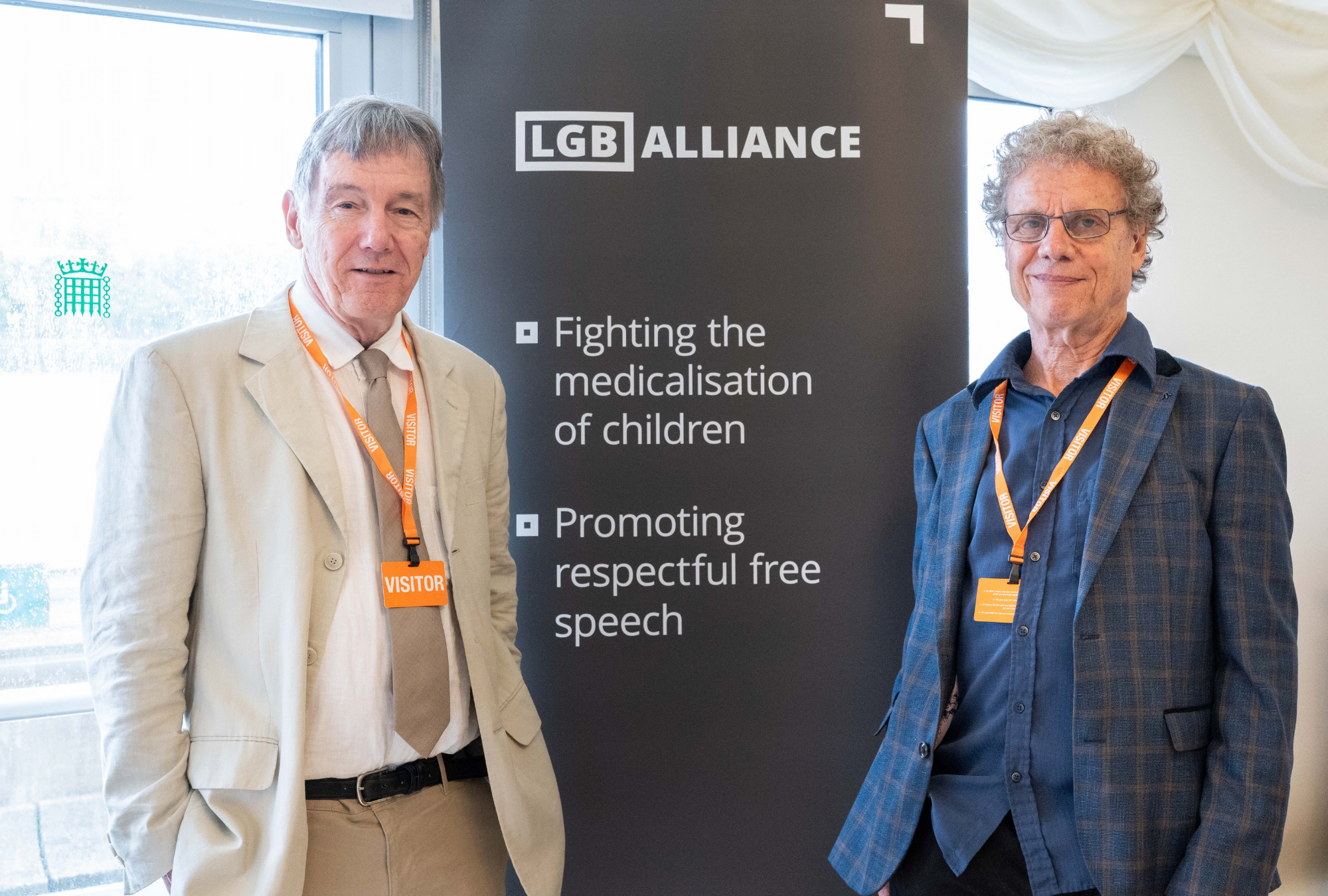
Clinicians, counsellors and psychotherapists are asking themselves: could I continue asking difficult but necessary questions if doing so might expose me to an allegation of conversion practice?
The Draft Conversion Practices Bill could make professionals afraid to explore if a child, young person or vulnerable adult’s distress is connected to trauma, autism, family relationships, body image, pornography or emerging same-sex attraction. It could encourage defensive practice, close down clinical curiosity and leave the real causes of distress unexamined.
The consequences for children and young people who might otherwise grow up lesbian, gay or bisexual – and for vulnerable adults who need careful, exploratory support – could be profound.
Together with the Clinical Advisory Network on Sex and Gender (CAN-SG) and Thoughtful Therapists, we’re asking clinicians and other mental health professionals to sign our open letter opposing the Bill.
Clinicians and therapists are signing this letter because they are concerned that the Bill will make careful practice harder. Will you join them?
Young people in distress need proper assessment, time and honest questions, not an assumption that one answer fits everyone. By including gender identity alongside sexual orientation, the Bill will make it more dangerous to explore whether a young person may be gay. It will push clinicians towards affirmation when a young person may instead need help understanding same-sex attraction, trauma, anxiety, autism, bullying, body image or other serious difficulties. The signatories are asking Parliament to reject the Bill outright.
“Clinicians must be free to explore all possibilities when a young person presents as trans to ensure that they have an opportunity to address any internalised homophobia which could be leading them to opt for a trans identity when they might just be gay’”
— Terry Patterson, Counsellor and Supervisor, Thoughtful Therapists
Dr Az Hakeem joins our CEO Kate Barker to discuss homophobia, gender stereotypes and why he believes the “Conversion Practices” Bill will put vital conversations with young people at risk.
Read our Policy Bulletin to MPs on Conversion Practices.
You can download a copy here: LGB Alliance Conversion Practices Bulletin